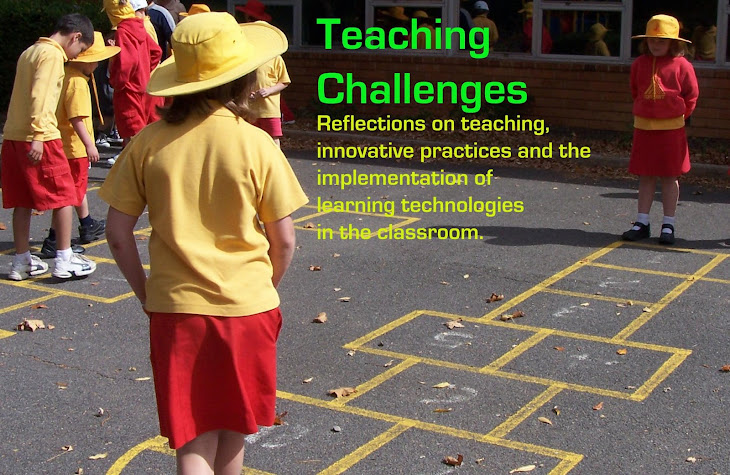
 Welcome to the November edition of the Teaching K-6 Carnival. I've been vaguely aware of all the posts being submitted this month and it has been great to finally sit down and take a closer look at them. This month I share with you a number of great posts to enjoy. Be sure to check them out and spend a little time looking at other posts of interest from these bloggers.
Brain Strain
Melissa Hedding from Finds For Families shares some thoughts on the importance of teaching moral discipline early in life in her post The Moral Intellect. In her opinion, "Obedience and self-control are the first morals that a child learns".
Nightwalker shares his Tips To Improve Study Skills at My English Pages. These are a range of skills valuable to learn for students of all ages. This may be a useful list to send home with students early in the school year.
Gripes and Brags
As Erin explains, There ARE Some Students Who Struggle, But Do Not Qualify for Special Education. Her post provides information to parents in the US so that they may seek additional support for their child.
Rachel Lynette of Minds in Bloom encourages teachers to Get your Students to Tell their Parents What they Learned Today. This is a great post to use when reflecting with the class and to share with parents to improve the discussion about school and learning.
At Technology In Class TIC calls for student-centered teaching in The Failure of Teacher-Centered Teaching in A Serious Man. Here he shares some lessons that can be learnt from the movie "A Serious Man".
Andy Burtone from Andy and Ann reveals The Best Tricks to Make Your Middle School Students Happy. It's such a great read that I'm not going to give you any clues. GO READ IT!
In the News
The arrival of swine flu instigated a renewed vigor in teaching hygiene and disease prevention. Matthew Paulson wrote about Child Safety: Preparing for Flu Season at American Consumer News and Lorenzo Crocker shared 7 Facts and Myths about Washing Your Hands posted at online lpn to rn programs. In Addition Quirky Momma shares Glitter Germs: Preschooler Learning posted at quirkymomma.com.This is a great activity to help make invisible germs more concrete to your young learners.
Innovate - Beyond the Slate
This month Mathew Needleman from the Open Court Resources.com Blog shares Questions About Independent Work Time and Beginning of the Year Pre-Assessments. These resources are helpful for pre-assessing, planning and teaching in the literacy classroom.
Jim McGuire presents a convincing argument for student blogging with his post: Goals and Benefits of Student Blogging posted at The Reading Workshop. He describes just how engaging the blogging process can be.
Over at got audiobooks? John Mastro shares his experience of The Educational Benefits of Audiobooks and Children’s Learning. Whether at school, home or out an about, anyone can enjoy the luxury of being read to through an audiobook.
Though a little late now, Kakie presents literacy resources to send home for parents and kids in September is National Literacy Month - Free Resources! posted at Bur Bur & Friends: Community Park.
Tom DeRosa presents Ultimate Number Line Game: Number Sense on a Massive Scale posted at I Want to Teach Forever. This is a great resource for helping students to calculate mentally whilst learning kinaesthetically. It looks like a lot of fun too!
My contribution this month is Space Spectacular where you can read about the activities and resources we have used during our unit of work on Space.
Look No Further
Top 10 Education Wonks to Follow on Twitter
100 Blogs Every New Teacher Should Read
100+ Google Tricks That Will Save You Time in School
10 Historical Speeches that Every Student Should Listen To
100 Best Open Source Apps for Educators
Top 10 Free Open Courseware Classes for Special Ed. Teachers
50 Excellent Blogs About Education Reform
100 Free Tools to Tutor Yourself in Anything
Why not submit your post for the next carnival?
The Teaching K-6 Carnival is posted monthly on the 7th. I will be collecting submissions throughout the next month, looking in particular for posts that discuss and exemplify innovative teaching and the integration of technology in the K-6 classroom. I also invite some discussion around education related news articles and a few "brain strains" to keep our minds alert and challenged. Please submit only articles of which you are the author and refrain from using this merely as a sales pitch. For full details, please read my call for submissions.
If you have a relevant post that you would like to submit to the next edition of teaching k-6 carnival use our carnival submission form. Past posts and future hosts can be found on our blog carnival index page.
Support this Carnival
If you enjoyed this edition of the carnival, you can support its continuation by sharing it with others. Link to us, add us to a tweet, stumble or digg us. Thanks!
Technorati tags: teaching k-6 carnival, blog carnival.




 Posts
Posts


